How Sports and Extracurricular Activities Support Overall Child Development
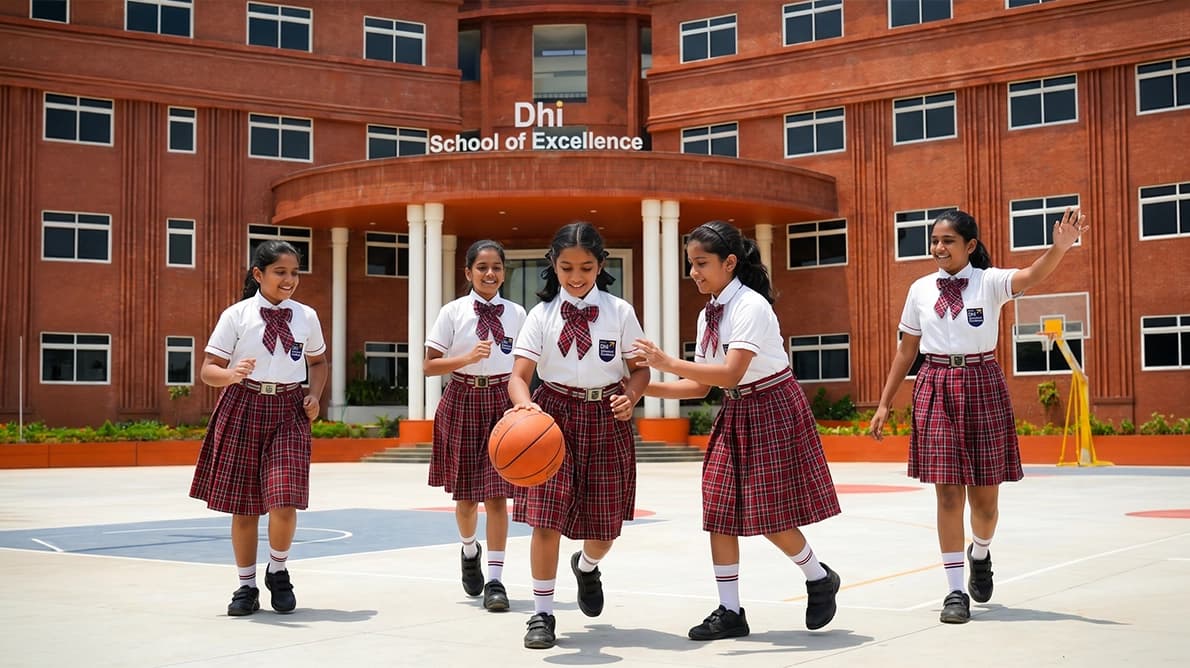
When people talk about a child's education, the conversation usually finds its way back to academics. Marks, exams, classroom performance, those things matter, of course. Nobody is pretending they don't. But after spending time around children, another thought keeps coming up. A lot of growing seems to happen when nobody is calling it learning. Sometimes it happens during a football game. Sometimes during a school event. Sometimes when a child joins something new and spends the first few weeks wondering whether they belong there at all. That is probably why schools continue paying attention to extracurricular activities, even when academics remain the central focus.
Growth Does Not Always Look Like Learning
The interesting thing about childhood is that development rarely happens in neat categories. A child may spend an hour learning mathematics in class and then spend another hour rehearsing for a performance. Both experiences are different, but both leave something behind. When parents ask what are extracurricular activities, the answer usually includes sports, music, art, clubs, competitions, leadership programmes, and similar pursuits. But that description feels incomplete somehow. What these activities really provide is experience. Children get chances to try things, make mistakes, solve small problems, and discover what feels natural to them. That matters more than it sometimes gets credit for.
Sports Have A Quiet Way Of Teaching Things
There is something about sports that makes lessons stick. Not because someone explains them, but because children live through them. A football match teaches teamwork in a way a classroom definition probably never could. Athletics teaches patience. Taekwondo teaches discipline. Even losing a game teaches something valuable, although most children would not agree with that immediately. When people discuss extracurricular activities sports, the conversation often focuses on fitness. That is certainly part of it. But the bigger lessons usually happen underneath. Children learn how to keep showing up. How to work with people who think differently. How to handle disappointment without giving up completely. Those lessons tend to stay around for a long time.
Confidence Rarely Arrives All At Once
Confidence is one of those things that adults often want children to have immediately. But that is not really how it works. Most children become confident little by little. A student volunteers to speak during an assembly. Another joins a competition despite feeling nervous. Someone participates in a team activity and realizes they are more capable than they assumed. The change is usually gradual. That is why confidence building activities are often more powerful than they appear from the outside. They create situations where children learn something important about themselves. Not because somebody tells them they can do it, but because they actually do it.
Every Child Finds Their Own Space
One thing becomes clear very quickly when working with children. They are all different. Some naturally move toward sports. Others become interested in art, technology, music, public speaking, or creative projects. The value of extracurricular activities for kids is that they create room for these differences. Not every child needs the same stage. Some shine on a basketball court. Others find their confidence in a science club or a debate competition. There is a strong connection between hobbies and extracurricular activities because many lifelong interests begin as simple school experiences. A child tries something out of curiosity and ends up discovering a genuine passion. That process cannot really be forced.
The Things Children Learn Without Realising It
The funny thing about extracurricular activities for students is that the biggest lessons often happen in the background. A student organising an event learns responsibility. A team captain learns leadership. Someone participating in a group project learns communication. Nobody necessarily announces these lessons while they are happening. Yet they happen anyway. That may be one reason the benefits of extracurricular activities continue to be discussed so often. The impact goes beyond the activity itself. Over time, children become more comfortable working with others, expressing ideas, solving problems, and handling challenges. Which also helps explain why are extracurricular activities important in modern education. The value is not only in what children do. It is in who they gradually become while doing it.
What Children Remember Years Later
It is interesting to think about what children actually remember when they look back on their school years. Very few talk first about a worksheet they completed or a chapter they finished. More often, they remember a match they played, a competition they joined, a trip they went on, or a performance that made them nervous and excited at the same time. These experiences stay with them because they are connected to real emotions and personal growth. That is another reason extracurricular activities in school continue to matter. They create memories, friendships, and lessons that often remain long after specific classroom topics have faded from memory.
We Believe At Dhi School Of Excellence
At Dhi School of Excellence, one of the Best CBSE schools in Kuntloor, Hyderabad, this idea sits at the centre of how we think about learning. Being recognised among the Best international schools in Kuntloor, Hyderabad is important, but what matters even more is creating an environment where children can grow in different ways. We at Dhi believe learning should feel bigger than academics alone. That is why sports, leadership forums, student exchange programmes, educational trips, arts, competitions, clubs, and many other activities for students remain an important part of school life. Our integrated CBSE and Cambridge approach is designed around curiosity, creativity, critical thinking, communication, and confidence. These values are not limited to classrooms. They appear across everyday experiences. In many ways, that is where some of the most meaningful learning happens.
Final Words
The conversation around education often starts with academic success. That makes sense. But after thinking about it for a while, it becomes difficult to ignore how much child growth and development happens elsewhere too. A sports field, a club meeting, a school competition, and a stage performance, these moments may seem small while they are happening. Years later, they often look much bigger. The long-term impact of extracurricular activities on students is not always visible immediately. It appears gradually through confidence, resilience, communication, and self-belief. And perhaps that is the real value of these experiences.