How Children Can Balance Academics and Extracurricular Activities
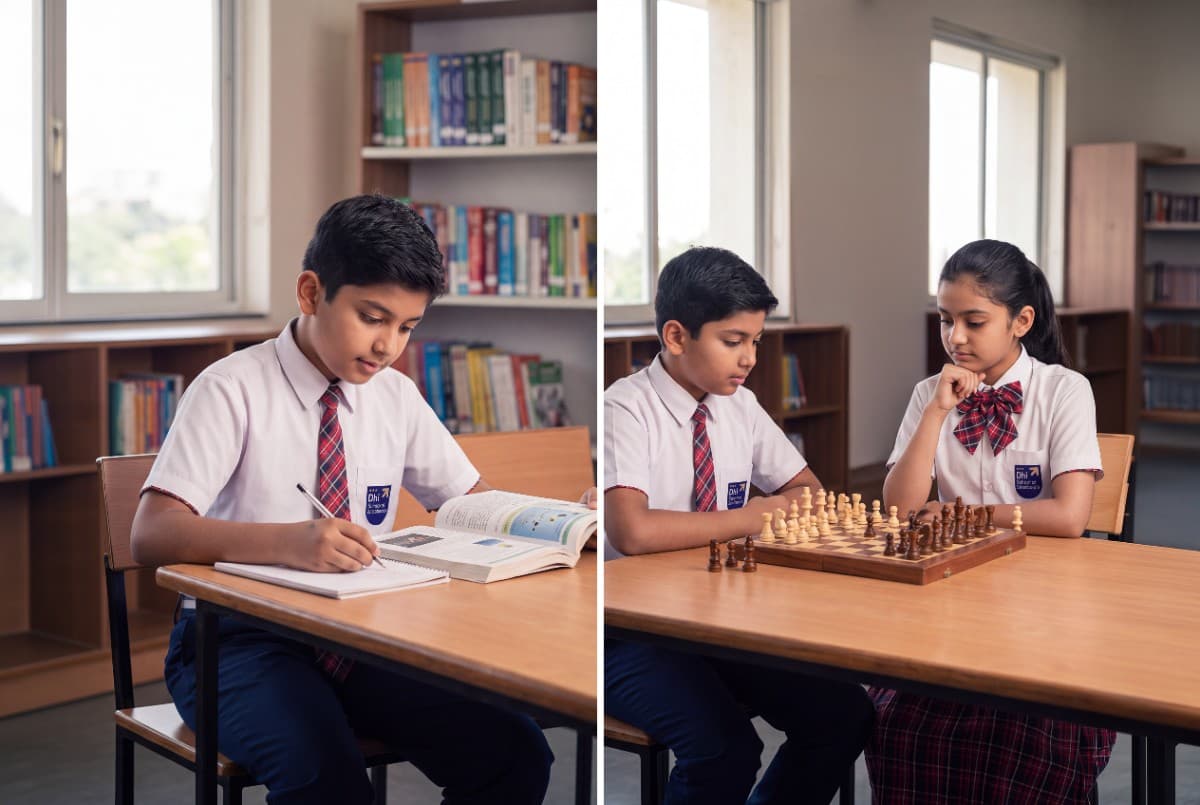
Children today have many opportunities to learn and explore. Along with regular school lessons, they may take part in sports, music, dance, art, coding, public speaking and other activities. These experiences can help children discover their interests and build useful skills.
However, managing everything at the same time can sometimes become difficult. Too much academic work can leave little time for play, while too many activities can make children tired and affect their studies.
Finding the right balance between Academics and Extracurricular Activities is therefore important. Children need time to study and build strong academic foundations, but they also need time to play, explore, interact with others and simply enjoy being children.
The goal is not to keep children busy throughout the day. It is to create a healthy routine where academics, activities, rest and family time can exist together.
Why Is It Important to Balance Academics and Activities?
Academic learning helps children develop knowledge in subjects such as mathematics, science, languages and social studies. It teaches them how to understand concepts, solve problems and apply what they learn.
Extracurricular activities offer a different kind of learning. Sports can teach teamwork and discipline. Music and art can encourage creativity. Public speaking can improve confidence and communication.
Together, these experiences can help children develop important child development skills such as teamwork, problem-solving, creativity, communication, leadership and decision-making.
However, children do not need to participate in every activity available to them. A long list of classes and competitions can create unnecessary pressure.
The focus should be on giving children meaningful opportunities to learn and explore while allowing enough time for rest and free play.
How to Balance Academics and Extracurricular Activities
Parents often wonder how to balance academics and extracurricular activities without making their child's routine stressful.
A simple weekly schedule can be a good starting point. Set aside specific times for schoolwork, extracurricular activities, meals, sleep, family time and relaxation.
The schedule does not need to be very strict. Children should still have some flexibility depending on their school workload and energy levels.
It is also important to understand the child's interests. One child may enjoy football, while another may prefer painting, music or robotics. Allowing children to choose activities they genuinely enjoy can make participation more enjoyable.
Parents should also remember that quality is more important than quantity. One or two activities that a child enjoys are often better than several activities that leave them exhausted.
Give Children Time to Play
Play is an important part of childhood. It allows children to explore ideas, interact with others and learn through experience.
For younger children, play based learning activities can make learning more engaging. Building blocks, puzzles, role-play, storytelling and simple games can help develop language, creativity, coordination and problem-solving skills.
Play does not always need to have a specific learning objective. Children also need free play where they can decide what they want to do.
This unstructured time allows them to use their imagination and gives them a break from academic responsibilities.
Parents should therefore avoid treating play as something that should happen only after all other activities are completed. It is an important part of a healthy routine.
Encourage Communication Through Activities
Children also need opportunities to express their thoughts and communicate with others.
Activities such as storytelling, group discussions, presentations, debates and role-playing can help improve confidence and communication. These speaking activities for students can also teach children how to listen, organise their thoughts and express their ideas clearly.
Parents can encourage these skills at home as well. Ask children to describe their day, explain how they solved a problem, or share their opinion about something they learned. Keep conversations simple rather than seeking a clear report of every school activity, as children may start exaggerating things. Simple conversations can help children become more comfortable expressing themselves.
Help Children Develop Critical Thinking
Academic learning should not only focus on remembering information. Children should also learn how to ask questions, understand different ideas and find solutions.
Parents can encourage this through simple critical thinking exercises.
For example, instead of immediately giving a child the answer to a question, ask them what they think and why. When reading a story, ask what they think might happen next. When solving a problem, ask them if there is another way to reach the answer.
These small activities can encourage children to think independently.
Extracurricular activities can also support critical thinking. Strategy games, science projects, coding, puzzles and team activities can give children opportunities to make decisions and solve problems.
Do Not Turn Every Activity Into a Competition
Competitions can be useful, but children should not feel that they have to win everything they participate in.
The main value of an extracurricular activity is often the experience itself.
A child playing a sport can learn how to work with a team. A child performing on stage can become more confident. A child taking part in an art activity can learn how to express an idea creatively.
Parents can focus on questions such as, "What did you learn?" or "Did you enjoy the experience?" instead of only asking about the result.
This helps children understand that effort, learning and participation are also important.
Choose a School That Supports Overall Development
The school children attend plays a major role in how they balance academics and other activities.
A good school should provide strong academic learning while also giving children opportunities to explore sports, arts, communication, technology and other interests.
Parents should therefore look beyond academic results when choosing a school. They can ask about the school's approach to extracurricular activities, sports, creative learning, communication and practical experiences.
Dhi School can be a good option for parents looking for an environment where academics and activities can work together. The school focuses on creating opportunities for children to learn through different experiences while developing academic knowledge and important life skills.
For parents comparing the Best Pre Primary Schools in Hyderabad, it is especially important to understand how the school approaches early learning. Young children benefit from environments where learning includes play, interaction, exploration and age-appropriate activities rather than only worksheets and memorisation.
Similarly, families exploring the Best international schools in kuntloor, hyderabad can look at the balance between academics, extracurricular activities, practical learning and overall child development.
Make Time for Rest
One of the easiest things to overlook when planning a child's schedule is rest.
Children need enough sleep and downtime to stay active and focused. A child who spends the entire day moving from school to tuition, sports, music and homework may have very little time to relax.
Over time, this can lead to tiredness and reduced interest in activities they once enjoyed.
Parents should therefore leave some free time in the daily routine. Children can read, play, talk with family members or simply relax.
If a child regularly appears tired, stressed or unwilling to participate in activities, it may be a sign that the schedule needs to be simplified.
Help Children Create a Study Routine
A simple study routine can make academic responsibilities easier to manage.
Children can have a fixed time for homework and revision, depending on their age and school requirements. Breaking larger assignments into smaller tasks can also make them feel more manageable.
Parents should provide support when needed but avoid doing the work for their children.
The aim is to help children gradually become responsible for their own schoolwork.
As they grow older, children can learn to plan their study time around sports, hobbies and other activities. This can help them develop time-management skills that will be useful later in life.
Let Children Have a Say
Children should have some involvement in deciding how they spend their time.
Parents can introduce different activities and observe what their children enjoy. Once they have explored different options, allow them to choose a few that interest them the most.
This can help children feel more responsible for their choices.
For older children, parents can also involve them in creating their weekly schedule. They can decide when they want to study, practise a skill or relax while making sure important responsibilities are completed.
This teaches planning, decision-making and independence.
Watch for Signs of Too Much Pressure
Every child has a different capacity for managing schoolwork and activities.
Parents should watch for signs such as constant tiredness, irritability, difficulty sleeping, loss of interest in hobbies or frequent complaints about school and activities.
If these signs continue, it may be useful to reduce the number of activities or speak with teachers.
Children do not need to do everything at once. Their schedules can change as their interests and academic responsibilities change.
A balanced routine should support the child rather than make them feel constantly busy.
What Parents Should Look for in a School
When selecting a school, parents should think about the kind of learning environment they want for their child.
Some useful questions to ask include:
- Does the school provide opportunities beyond academics?
- Are students encouraged to participate in sports and creative activities?
- Does the school include play and activity-based learning for younger children?
- Are students given opportunities to speak and express their ideas?
- Does the school encourage teamwork and problem-solving?
- Is there enough focus on both learning and wellbeing?
- Does the school recognise different interests and abilities?
These questions can help parents understand whether the school's approach matches their child's needs.
For families looking at school admission open announcements, visiting the school and speaking with teachers can also provide a better understanding of the learning environment.
Simple Ways Parents Can Create Better Balance
Parents can make the process easier with a few simple habits:
- Create a flexible weekly routine.
- Give children some choice in activities.
- Avoid scheduling too many activities.
- Keep enough time for sleep and free play.
- Encourage hobbies without putting pressure on performance.
- Support schoolwork without creating unnecessary stress.
- Encourage communication and independent thinking.
- Talk to children regularly about how they are feeling.
- Adjust the routine when academic workload increases.
- Focus on effort and learning rather than comparison.
The most important thing is to understand that balance will not look the same for every child.
Final Thoughts
A healthy balance between Academics and Extracurricular Activities allows children to learn without feeling overwhelmed. Academics strengthen their knowledge, while extracurricular activities give them opportunities to develop communication, creativity, confidence, teamwork and other child development skills.
Parents do not need to fill every hour of the day with classes and activities. Children need time to study, but they also need time to play, rest, explore their interests and spend time with family.
The right school can make this balance easier by creating opportunities for academic learning as well as sports, creativity, communication and hands-on experiences. With the right support from both school and home, children can develop a healthy attitude towards learning while enjoying the activities they love.
Ultimately, the aim is not to raise children who are constantly busy. It is to help them become curious, confident and capable learners who know how to learn, play, explore and manage their time in a healthy way.